The Birth of
Virtual Reality News
Defining the grammar of immersion and distributing the largest VR platform in history.
Role
Creative Lead / Director
Distribution
1 Million+ Headsets
Platforms
Cardboard, Daydream, Oculus
We didn't just make films; we invented a new narrative grammar.
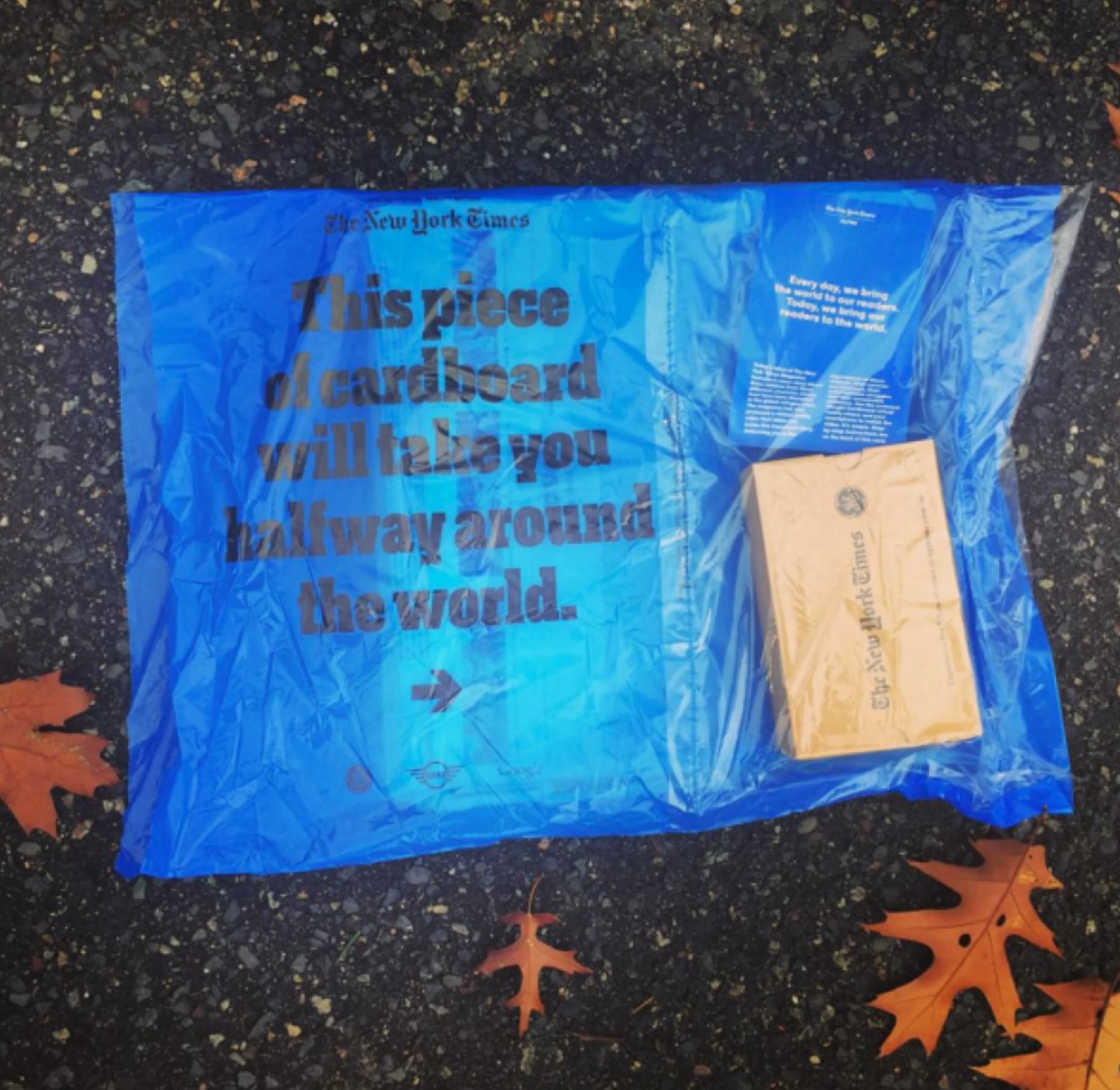
Launching with "The Displaced," we undertook a massive logistical feat: shipping over one million Google Cardboard viewers to Sunday subscribers. This overnight distribution created the largest VR audience in the world and established The New York Times as a leader in immersive journalism.
A Mass Moment
for VR.
The NYT VR program was built on the premise that we could reach readers in an entirely new way — through creating presense. If the best journalism could transport readers to give them a new perspective and new understanding, this technology held a promise to do that more directly than ever before.
By pairing the app launch with the physical distribution of Cardboard, we solved the "hardware problem" of VR, ensuring our journalism was accessible to millions immediately.
Building for
Headsets.
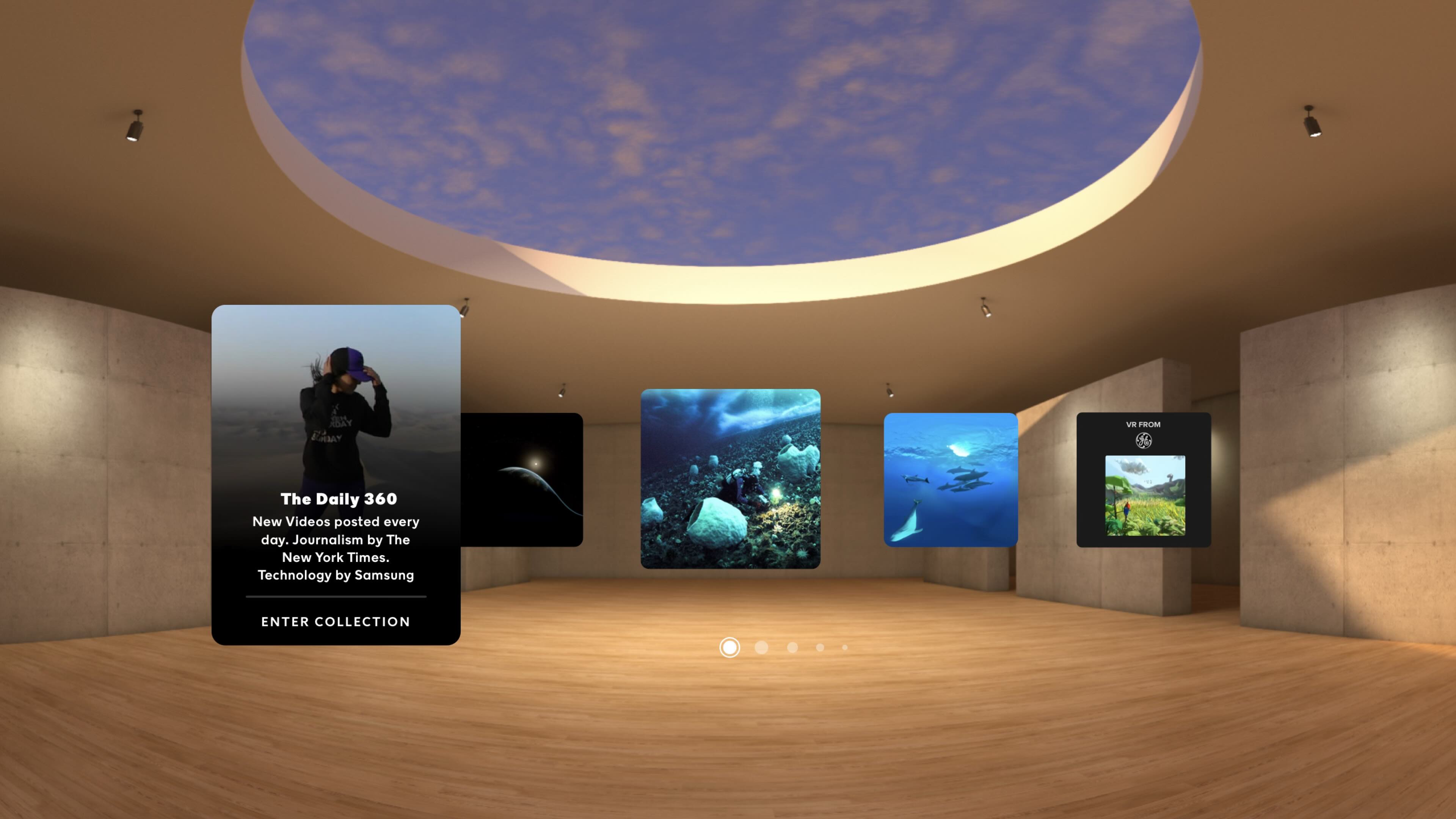
As VR hardware evolved, so did our ambitions. For the launch of Google Daydream and Oculus Go, we moved beyond simple video playback to create a fully immersive, real-time 3D environment.
I led the design of a James Turrell inspired interface where users could navigate an archive of journalism floating in a void, using gaze-based interaction and 6DOF controllers to explore the news in a spatial context.
Original Productions
From the frozen tundra of Antarctica to the surface of Pluto, we pushed the limits of 360° filmmaking, ambisonic sound production and stereoscopic imagery.
The Antarctica Series
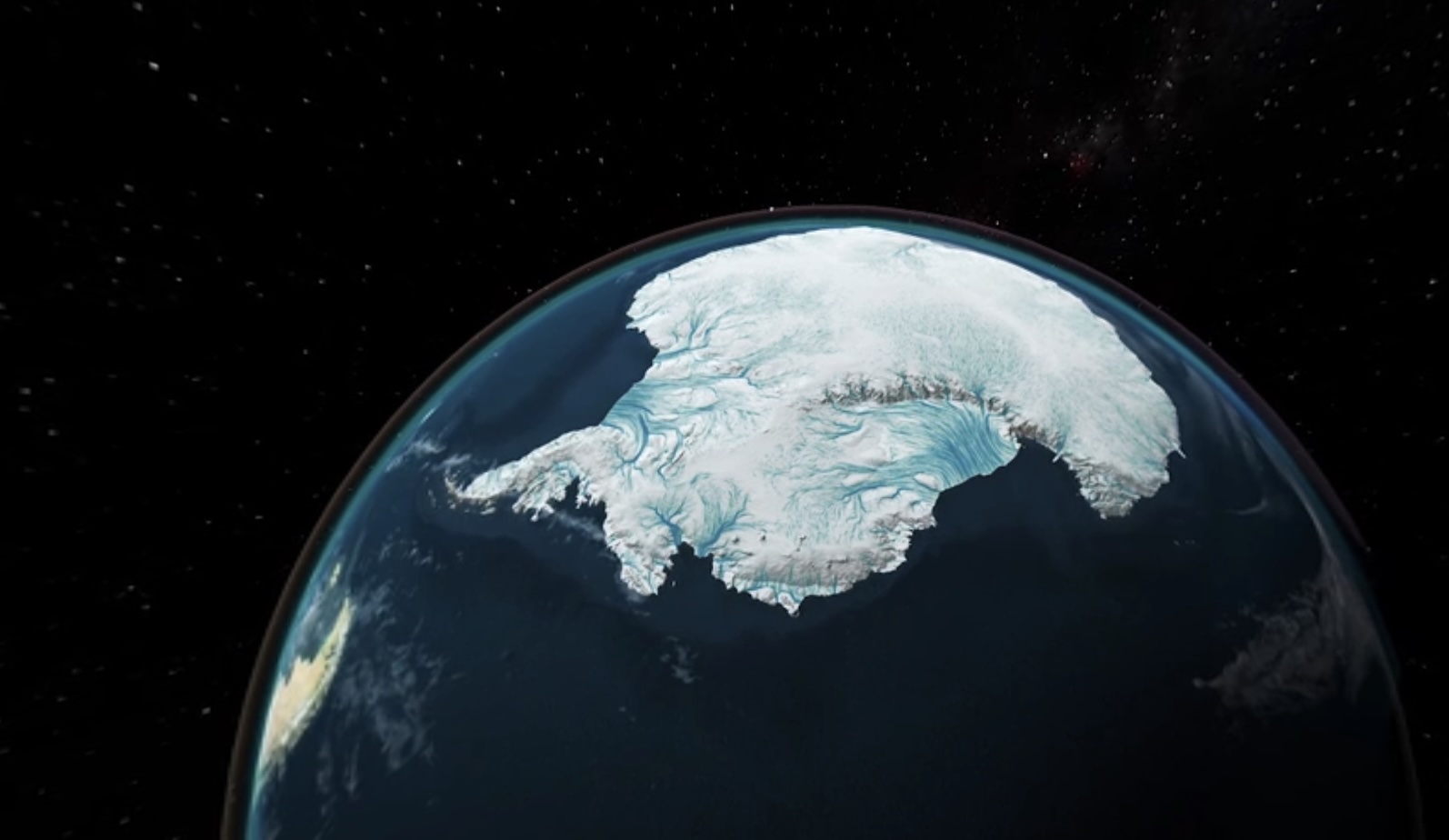
A physically grueling production capturing the melting continent. We deployed custom 360 camera rigs to capture the ice shelf in a way never before seen.
View the Films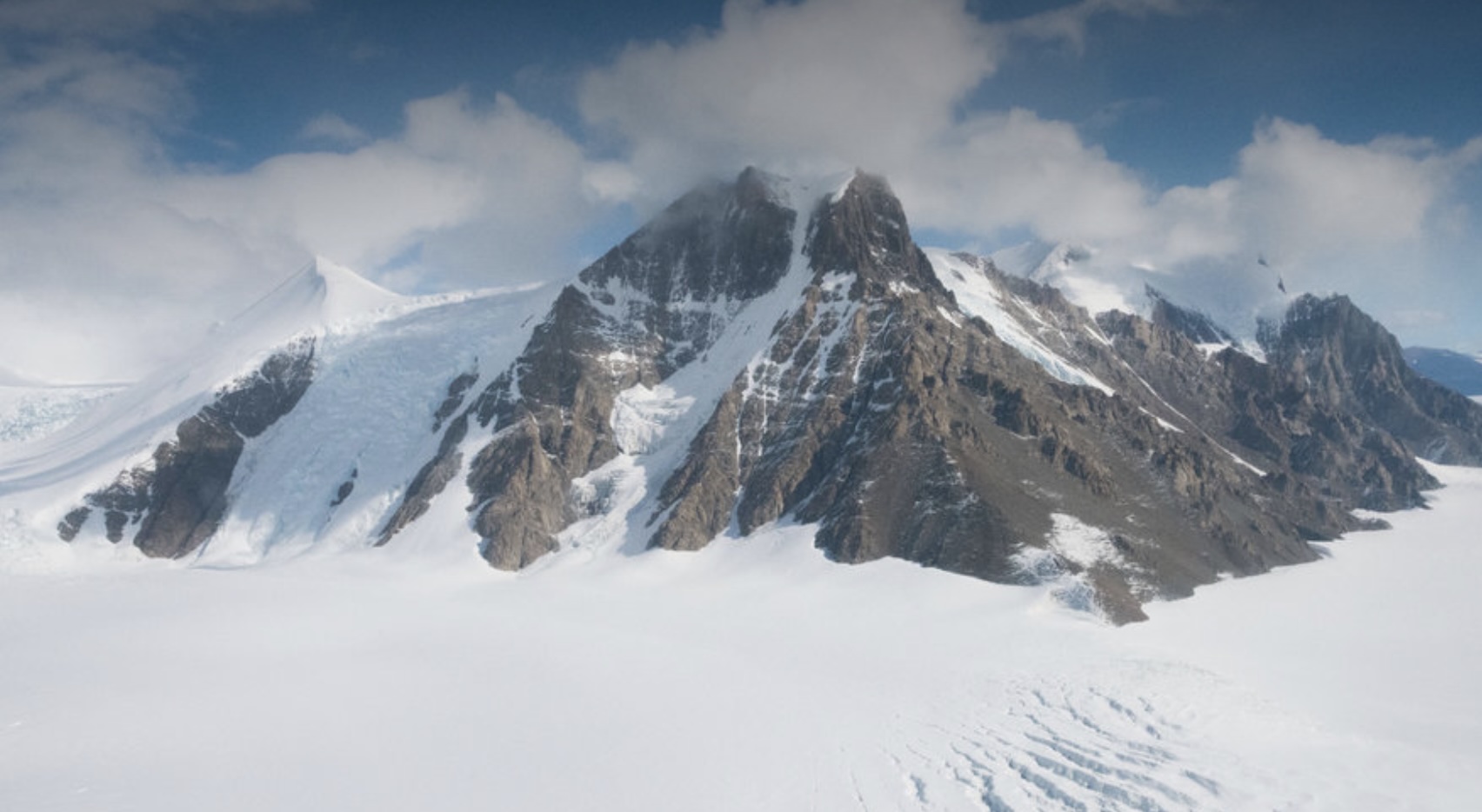
Behind the Scenes
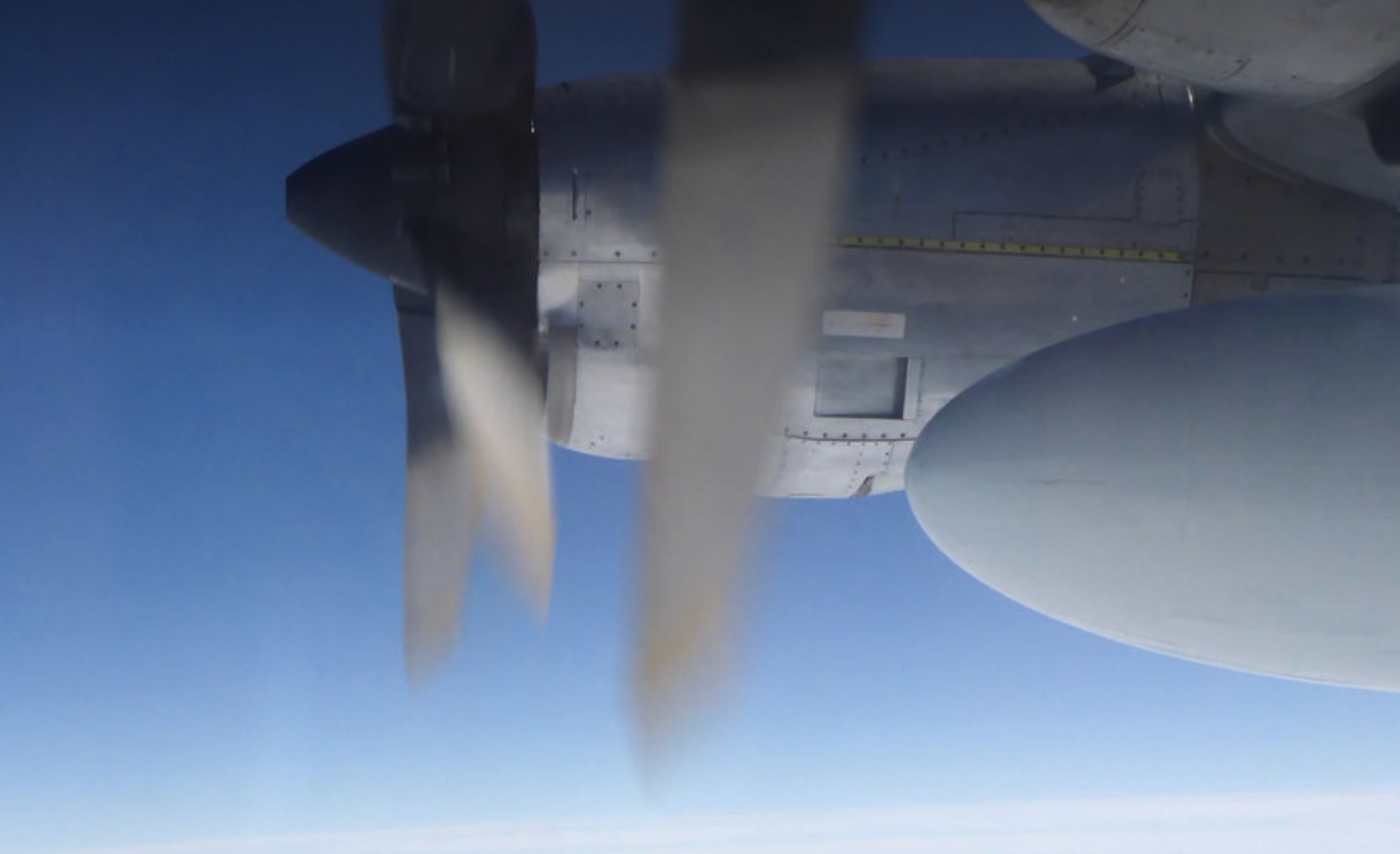
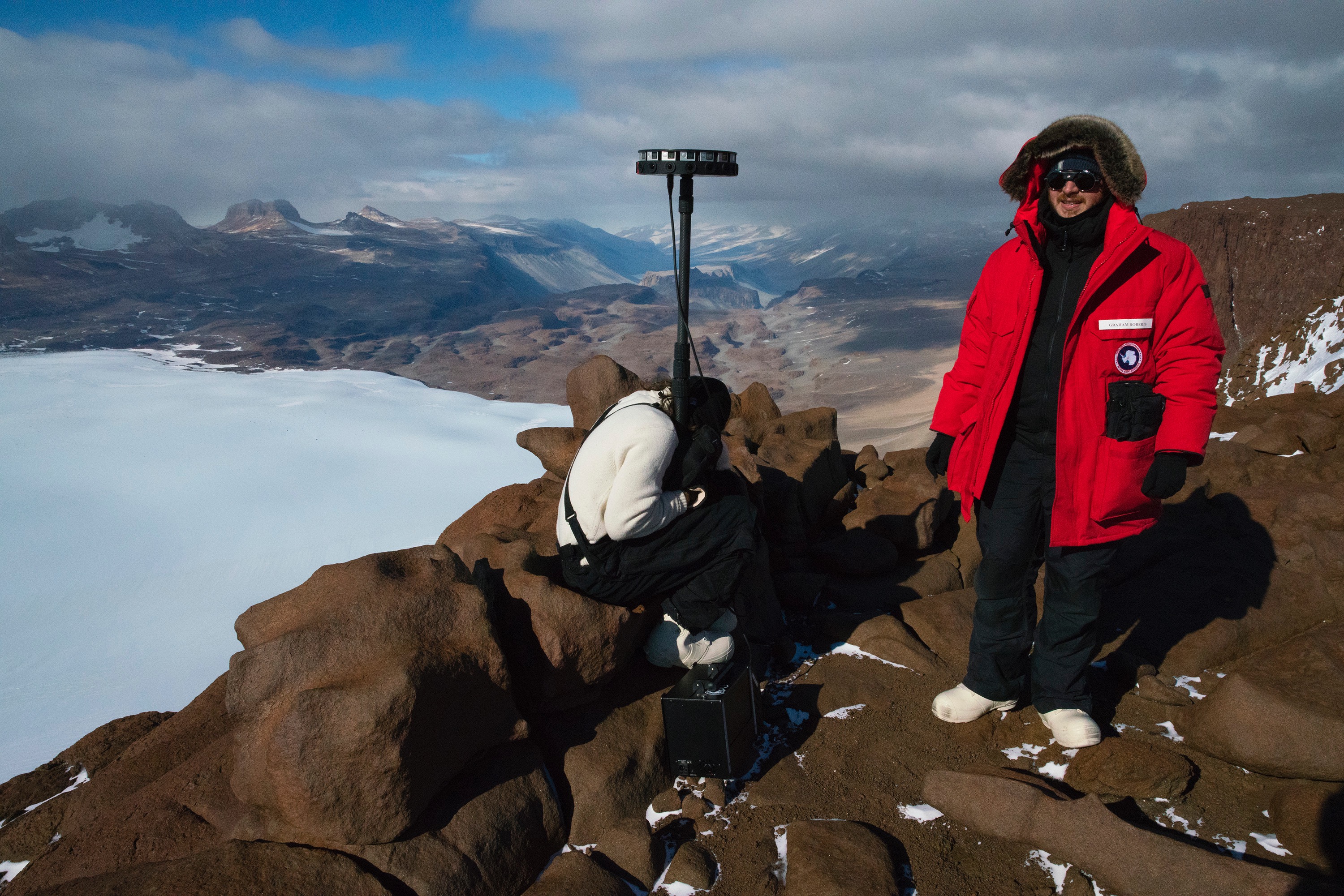
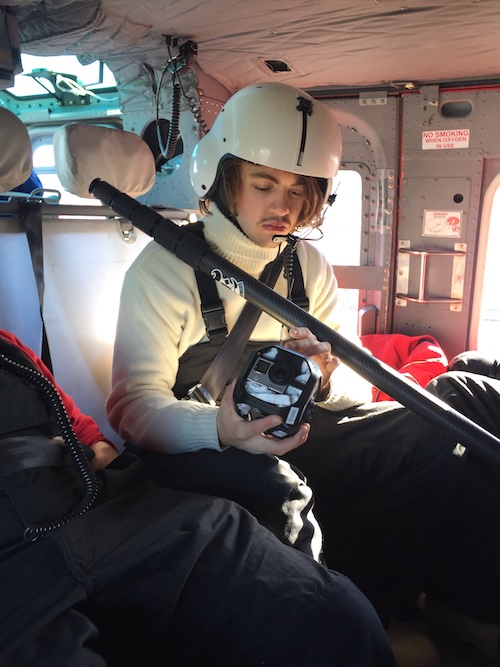
Filming in Antarctica presented unique challenges for VR. The extreme cold drained batteries in minutes, requiring us to build custom heated rigs. We also had to invent new stabilization techniques to mount 360 cameras on helicopters, and custom waterproof inclosures to bring 360 cameras into the freezing waters below the ice shelf.
Seeking Pluto's Frigid Heart
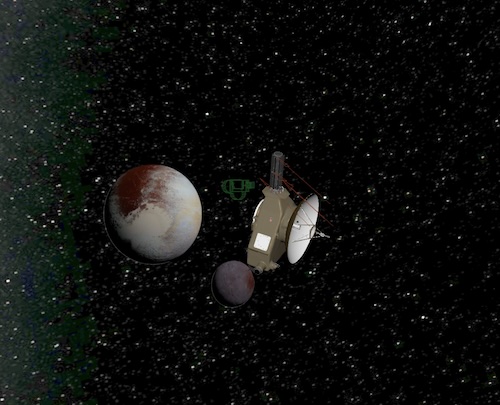
Working with NASA data to fly users over the surface of Pluto. This project pushed the boundaries of stereoscopic rendering and scientific visualization.
View the FilmBehind the Scenes
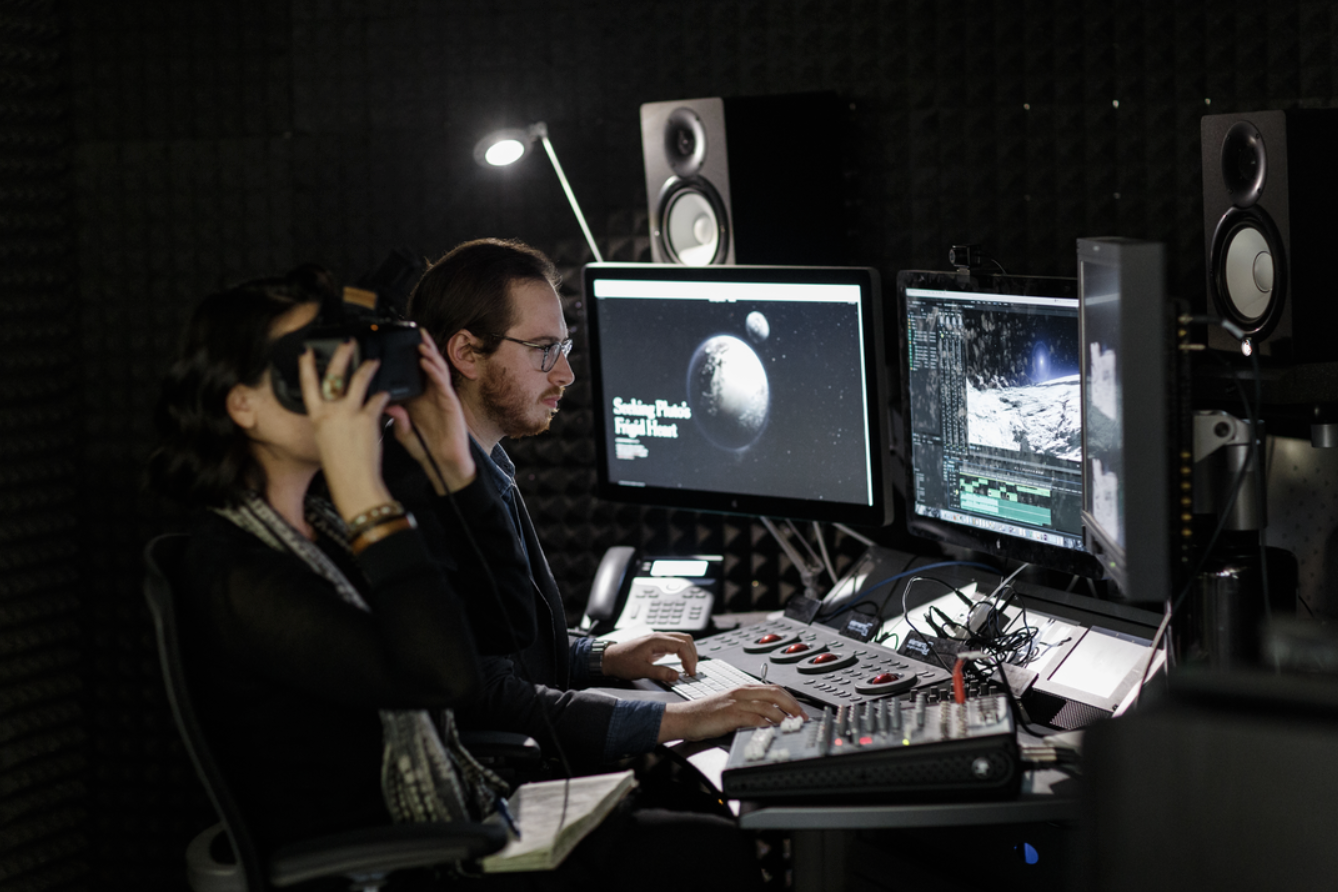
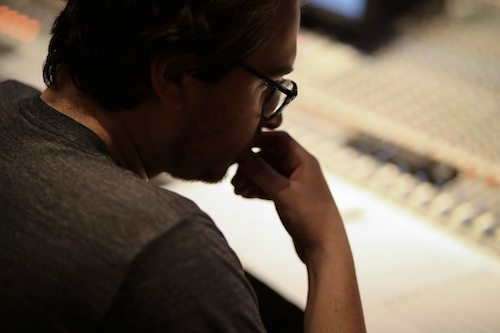
We collaborated directly with the New Horizons team at NASA to obtain the raw altimetry data from the flyby, and used this to create accurate renderings of what it would be like to stand on the planets' surface. I also composed a custom operatic soundtrack for the project called The Pluto Chorale. Four opera singers performed the piece at Dubway Studios in NYC around ambisonic microphones, allowing the sound to move with the viewer as they observed the alien environments.

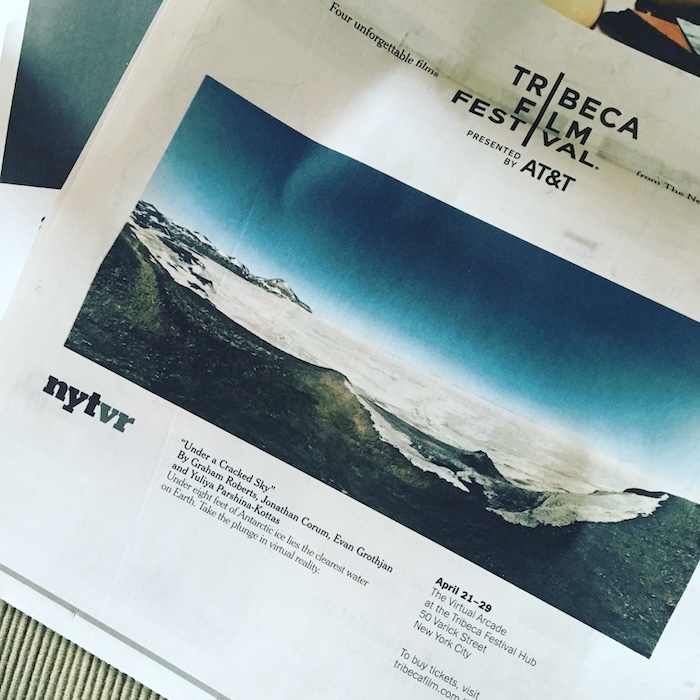
Official Selection
Tribeca Film Festival
The film was an Official Selection at the Tribeca Film Festival, one of the first major festivals to program virtual reality as a form in its own right. We designed an experiential space for it: a darkened room of swiveling chairs that let each viewer turn freely through the full 360° field, with the Plutonian surface projected across the surrounding walls.
Apollo 11: As They Shot It
Reconstructing the moon landing using only the original photography taken by the astronauts. An interactive experience exploring the lunar surface.
Launch ExperienceBehind the Scenes
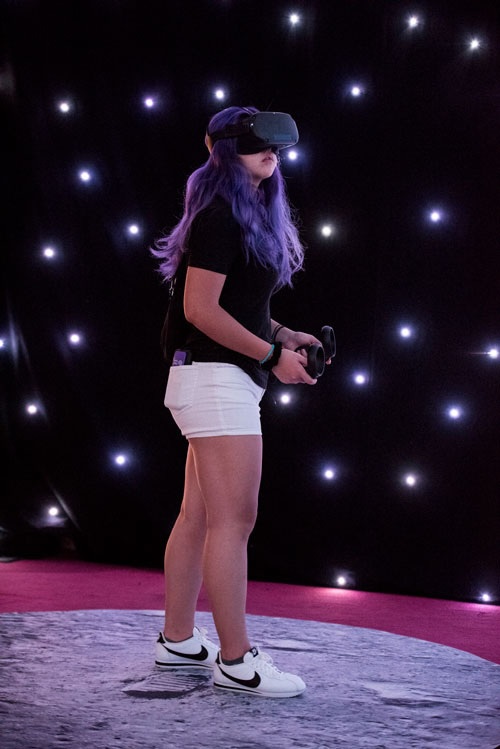
Referencing maps that identified where every photograph was taken, we rebuilt the Apollo 11 photography in space, so readers could understand how the iconic frames related to one another on the lunar surface. For the 50th anniversary, we brought that experience into the room at One Giant Leap, a live New York Times stage event. We built a companion installation for the audience: a circular lunar surface set inside a starfield, where guests put on headsets and walked among the photographs Armstrong and Aldrin shot in 1969 as part of the evening.


Film Archive
Selected works from over 20+ films
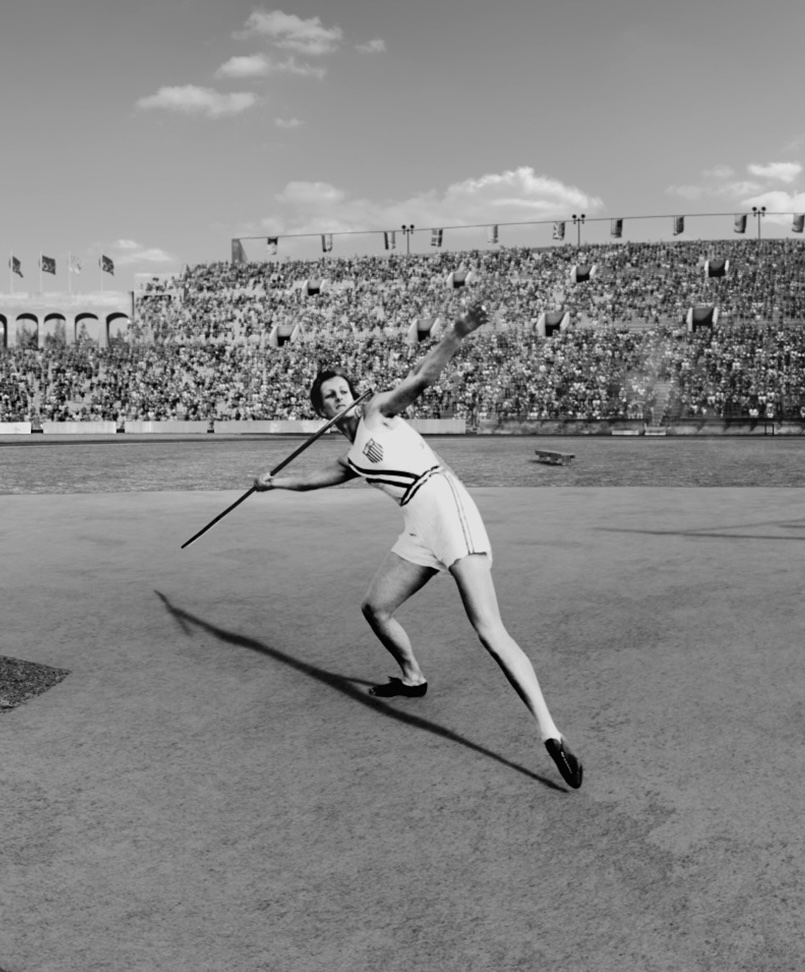
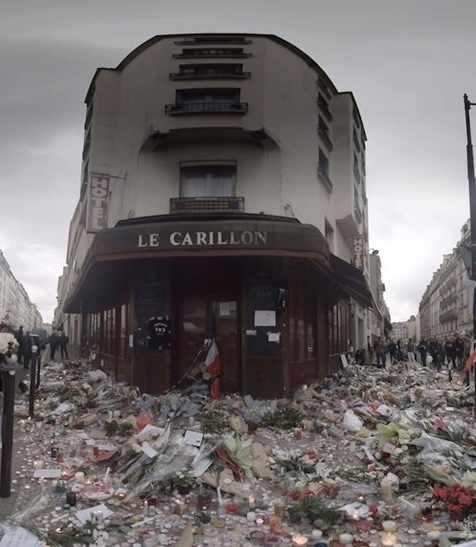
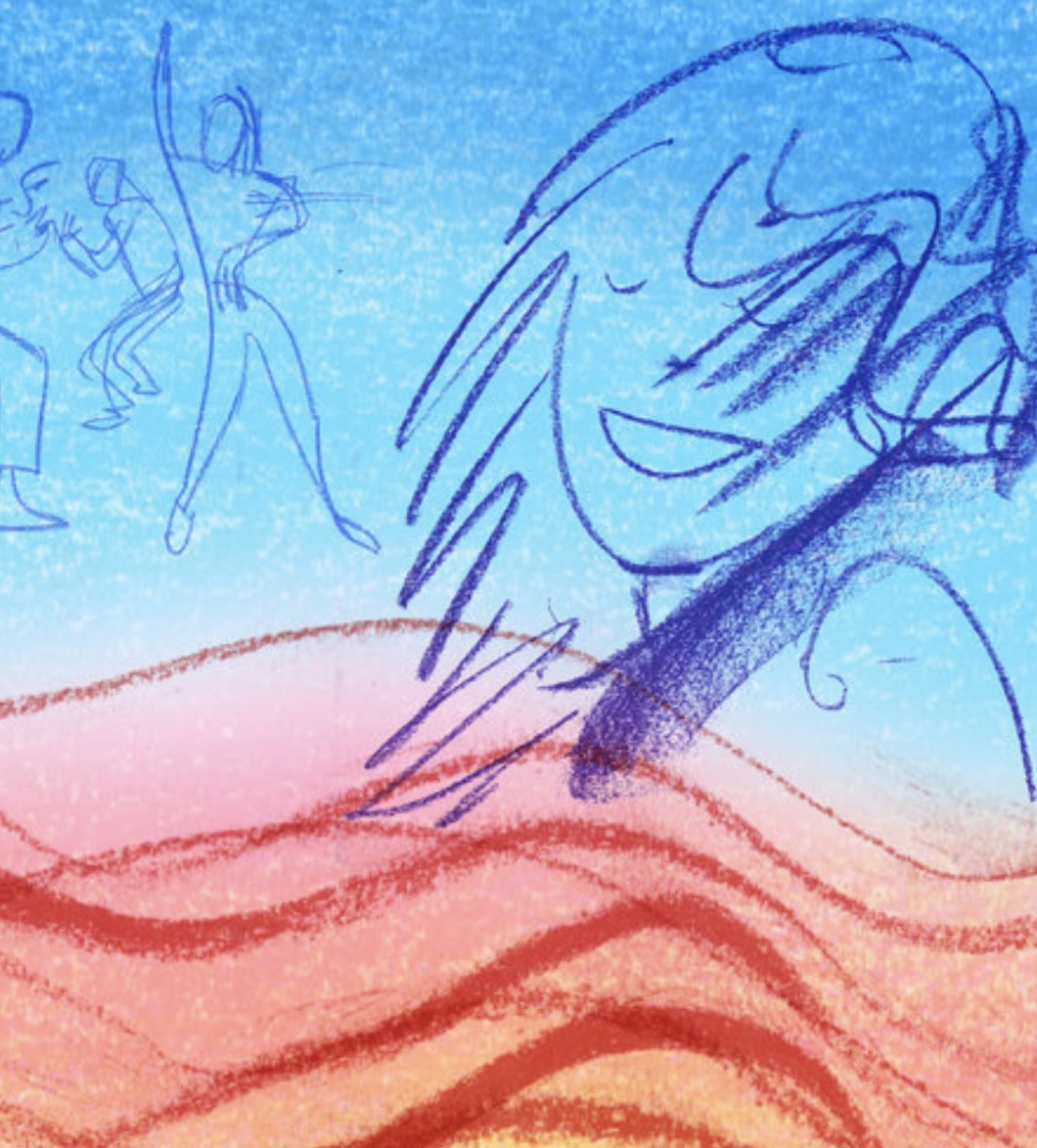
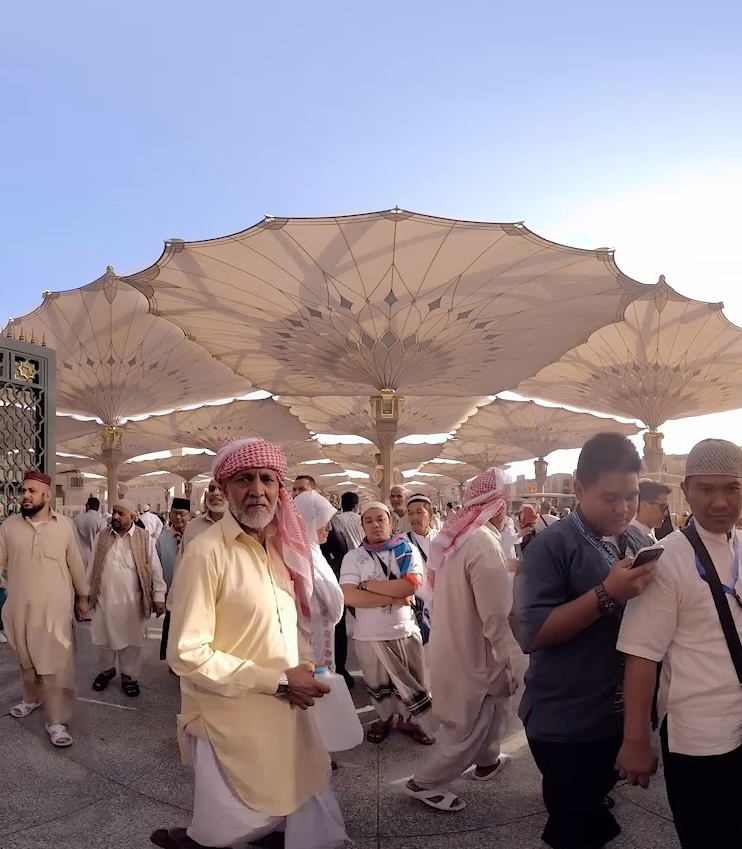
"We're always thinking about what makes something valuable in virtual reality. There has to be a reason that we're making it in VR and not a standard 2D medium."
Evangelizing the Medium
Bringing VR to the newsroom required cultural change as much as technical innovation. I worked to train journalists, establish safety protocols for filming, and define the ethics of immersive capture.